
At the heart of your film is a very personal story, and your whole family's history appears in it. How did your grandfather and the rest of your family react to the idea of you making a documentary about their past, and how did they receive the finished film?
Faced with my grandfather's resistance, I looked to the rest of my family for a signal about whether I should really be pursuing this. Was I swimming upstream for my own benefit, or did others in my family also want these answers? It was largely due to the encouragement of the generation above me (my dad, aunts and uncle) that I pushed my grandfather to film with me. Without their encouragement, I admittedly probably would've decided not to do the project at all!
What was your first arrival in Hungary like, and how did it shape the way you approached the film?
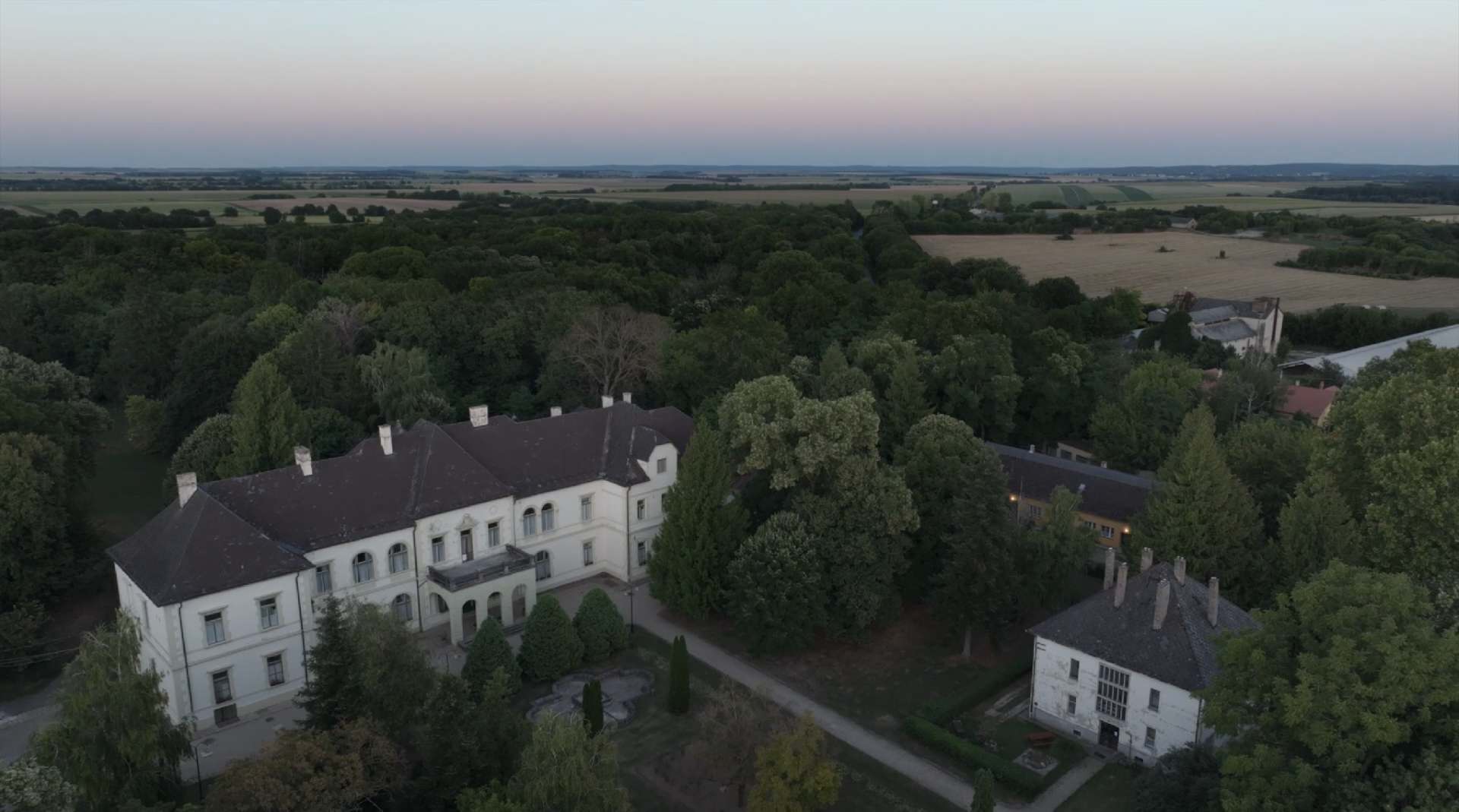
When I imagined arriving in my grandfather's village of Iregszemcse, I pictured a reticent groundskeeper reluctantly letting me see the inside of my grandfather's old home and take a few photos. What I never could have imagined was an entire town seemingly waiting for my arrival. I thought I was going to arrive to a dusty old, cobwebbed history, but instead it felt like the townspeople had been polishing and shining that figurative history until someone returned, holding on to it like a jewel of the past.
When I went through the footage with my editor, Marina Katz, she said, “Ora, you're a princess!” She was struck by the Princess Diaries themes of the film. I was horrified at the idea of including that. With so much violence and hardship in the world, how cringe is it to tell a story about discovering your family was nobility? Ultimately, I'm so glad Marina convinced me, because this fun, absurd, ridiculous part of the story is key to understanding my grandfather's experience. It shows how important and how secure in society he was, which makes it all the more dramatic and tragic how hard it must have been for him to lose that.
Playfulness radiates through your film; despite the serious nature of the topics, it deals with. It's always so refreshing to see a human right's documentary approach its subject in this way, without sacrificing any of its weight and depth. What do you think about this dichotomy? Is it a deliberate part of your artistic vision as a filmmaker to try to dissolve this seeming contradiction?
Absolutely. I recently started Pipsqueak Productions with my friend and collaborator Bianca Giaever. Our mission with Pipsqueak is to make films that tackle important social issues with humor and an eye for the absurd, and that mission radiates through everything we make. In film (as in life), I want to touch the edges of the human experience, and that means highs, lows and everything in between. Not to mention, finding humor through unimaginable horror is something Jews have long had a knack for.
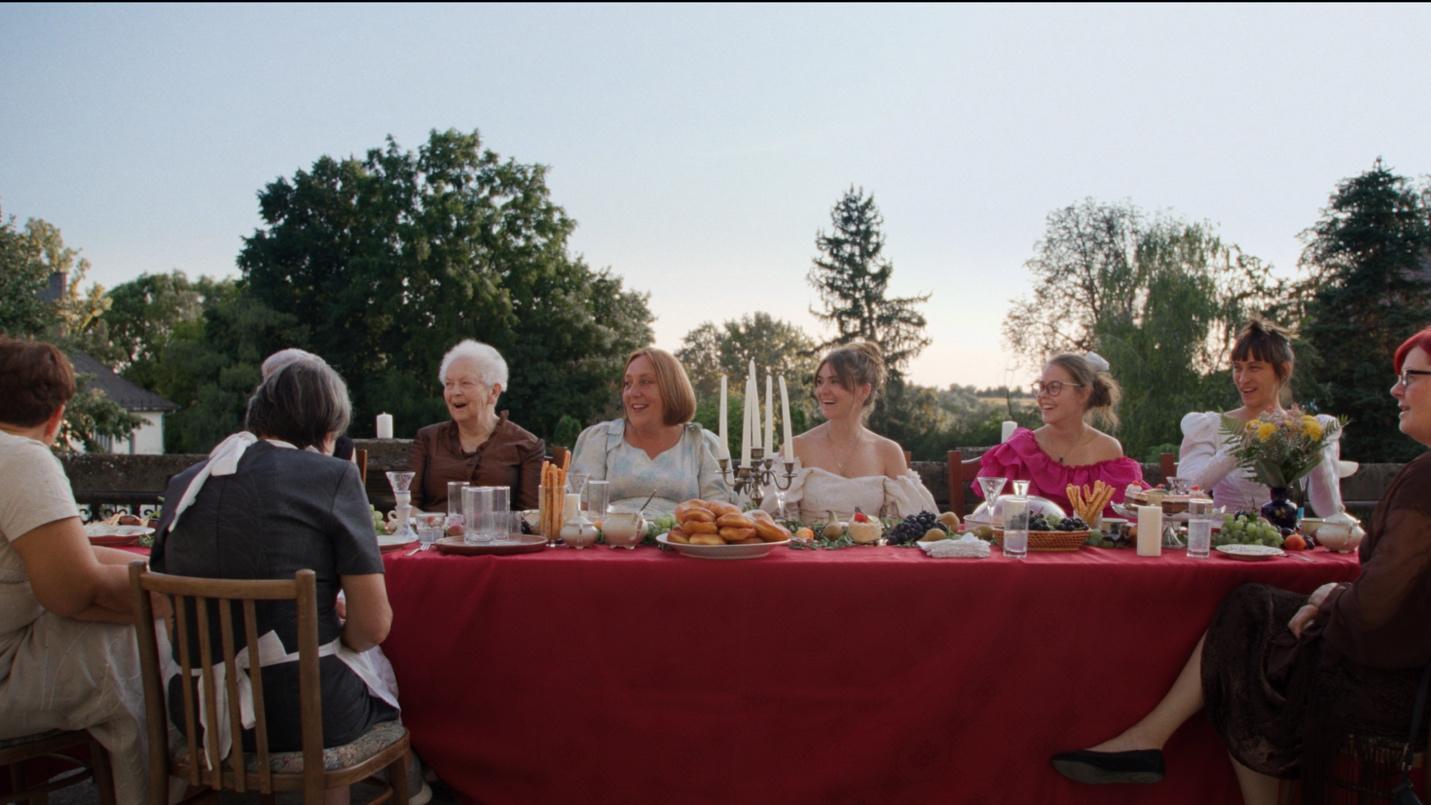
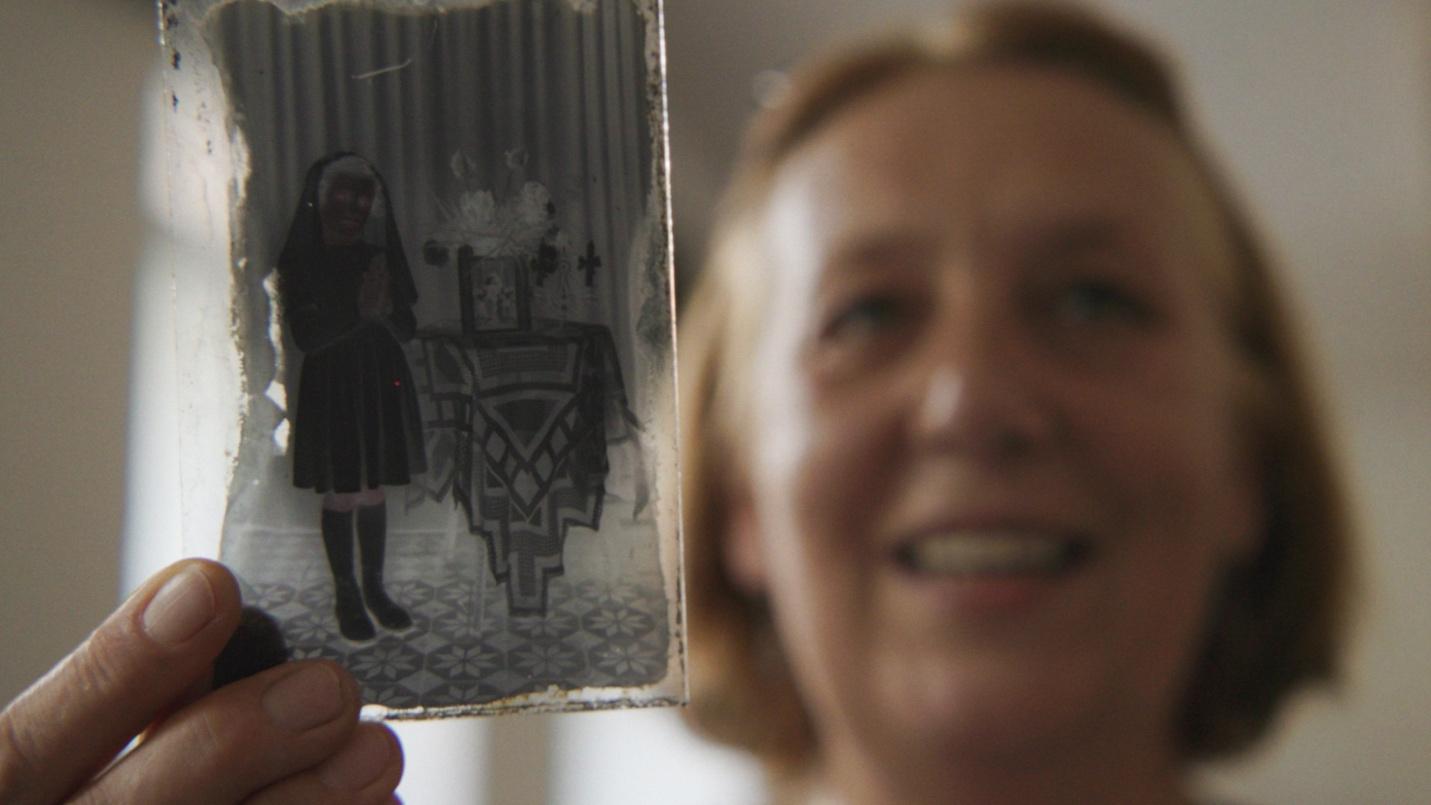
The film's form, with its puzzle-like stills, suggests that the villagers' warm welcome carries some ambivalence. What feelings did the villagers' relationship to the past that drove your grandfather out stir in you?
Honestly, I'm slightly embarrassed to say that at first I wasn't even thinking about that history. I was just so overwhelmed and thrilled that they were inviting me in. As my aunt Marianne Szegedy-Maszák said to me, “It's easy to not ask the hard questions when everyone is calling you a baroness.” And it's true. I was so caught off guard by the town's reception and their outpouring of generosity (sharing stories, gifts, meals and SO MANY extremely detailed and long tours of the castle, the property, the town, etc.) that I didn't press them on the history. Ultimately, I think that's a stone the film leaves unturned: challenging people on their views about the past and how those views reverberate through the present. That complicated historical memory is what I'm excited to explore in the feature version, which I'm working on now and plan to premiere in 2028.
What was your motivation for making this documentary? Was it a desire to form a deeper connection with your grandfather, to understand your family's past or to gain a better understanding of the broader historical context? How did these different motivations relate to each other throughout the filmmaking process? Did you manage to achieve the goals you had set for yourself?
I really just wanted to understand my grandfather's emotional life. How did he become the person he became? And what did that experience feel like? Part of me also simply wanted to document his story for posterity. I'm a bit of a digital hoarder of the archives of the people I love. I want to capture pieces of them before they're gone, but with my grandfather in particular, I understood that his story was both personally and historically significant. Ultimately, I think I found what I was looking for. I feel like I understand my grandfather's emotional experience better now, even though I didn't get that information directly from him. I went very far away to feel closer to my grandfather. And I'm so glad I did.
The pieces fit together in the end, but parts of your grandfather's story stay unknown. Did that change how you think about reconstructing the past, and what part did his silence play?
I think this film is so universal because we all have mysteries in our relationships, and one of the most painful things about growing up is realizing that some things are unanswerable. There are answers we will never get. In the end, all we can do in our relationships is try to be as available and interested as we can. What the other person does with those efforts is up to them, but the healing is in what you can control.
The films in the Hungarian Shorts Competition section revolve around the idea of “confronting”. What does that word mean to you in relation to this film, and what were you really confronting while making it?
In many ways, this film is a perfect example of not confronting. I never confront the villagers about the town's past. I never confront my grandfather about his own past. I am my grandfather's granddaughter: avoidant.
The interview was made in accordance with the 23rd Verzió International Human Rights Documentary Film Festival’s Hungarian Short Competition section.