23rd Verzió Festival 16–25/11 2026.

Festival Blog

Festival Blog

Cinema of Politics: The Big Chief

Wednesday, November 25, 2026

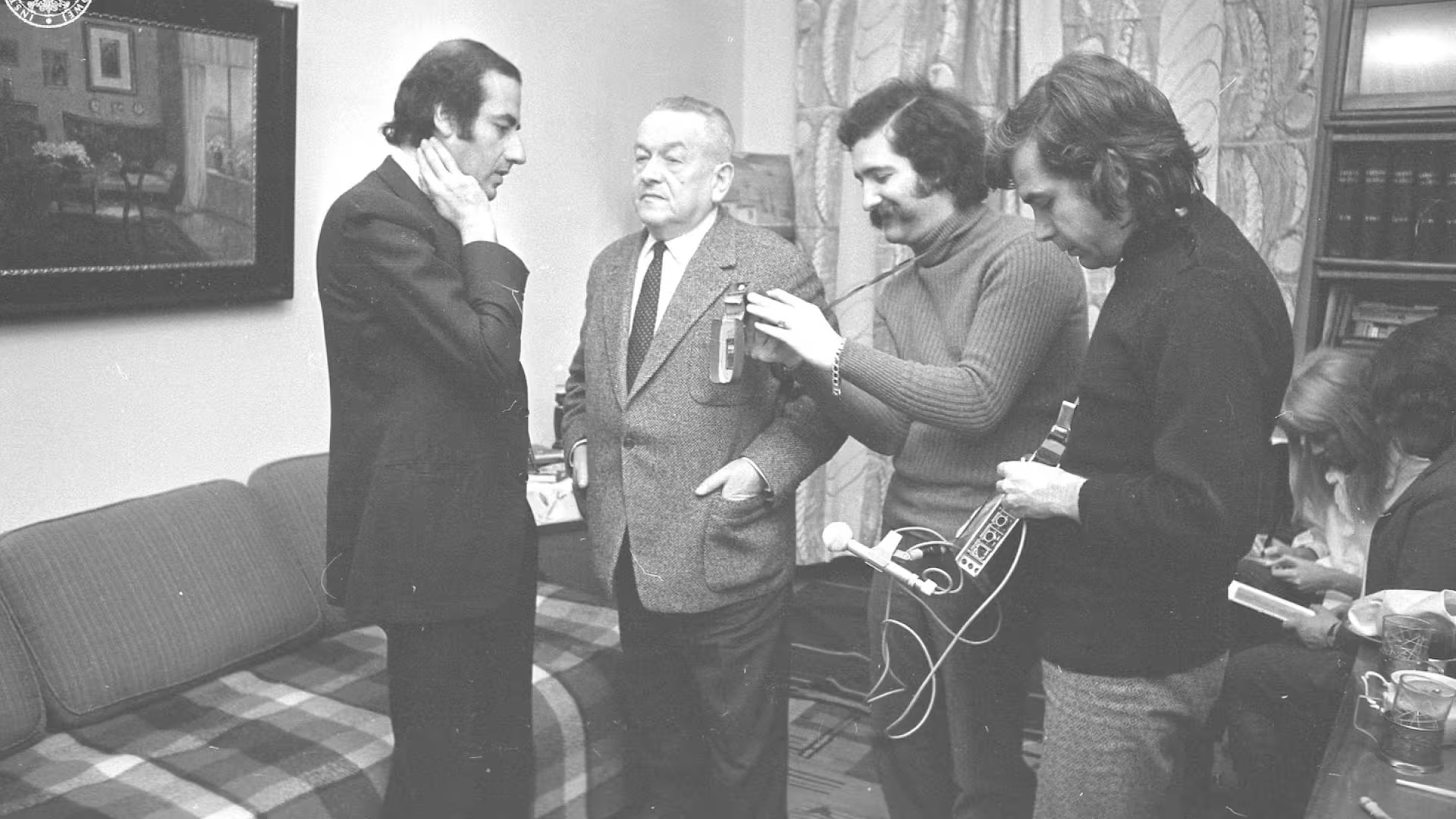
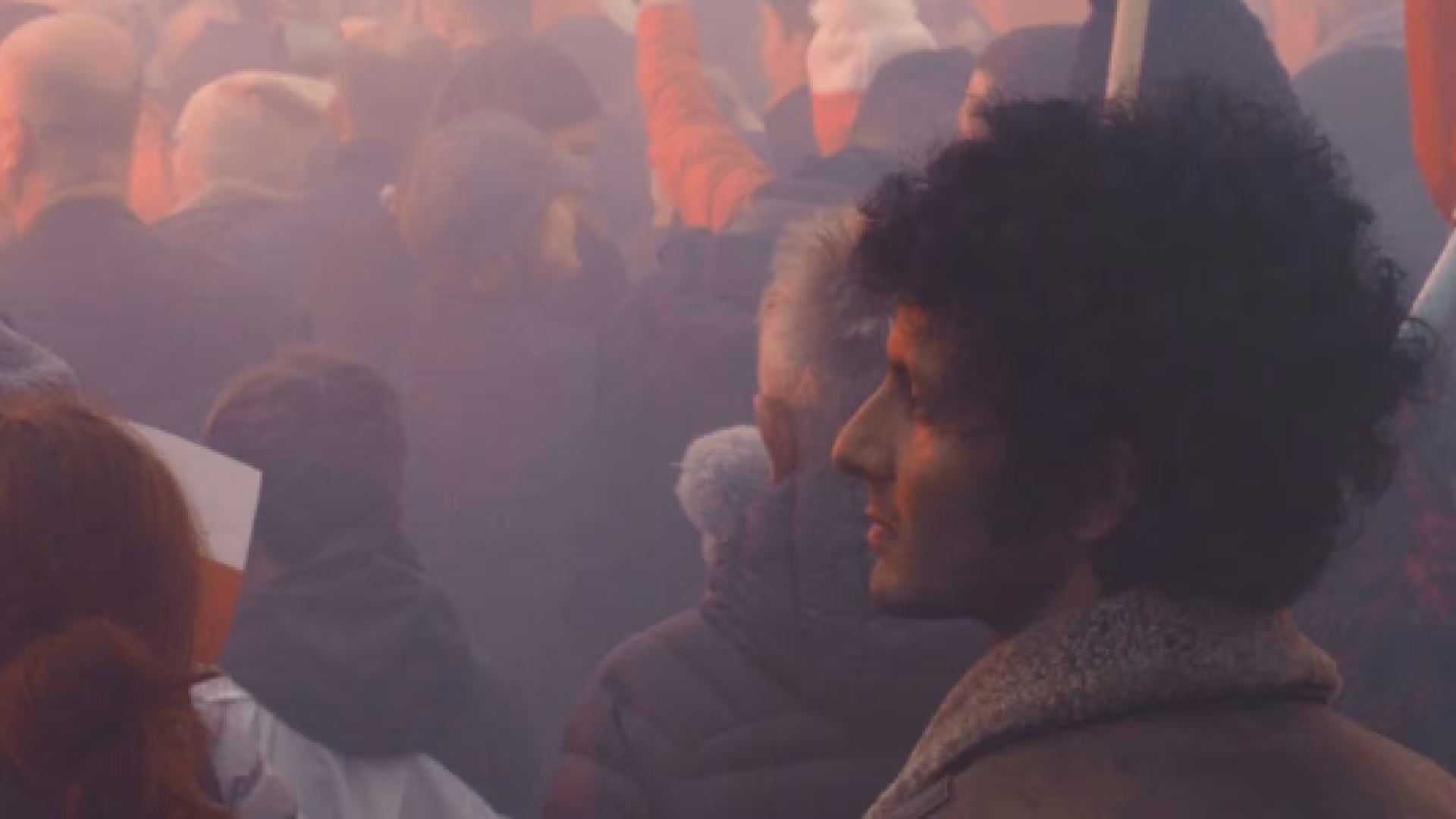
French journalistic irony and subtle humour cut through the cigarette-hazed pride of communist Poland in the late ‘60s. Jean-Pierre Elkabbach and his television crew set out to capture a carefully staged portrait of socialism. Through a montage of journeys and interviews, they reveal the bureaucratic grandeur of a Soviet world whose relentless attempts to impress become almost unintentionally comic. Prevented from reaching France, these images remained hidden for decades.

What It Means To Hold a Mountain

Tuesday, November 24, 2026

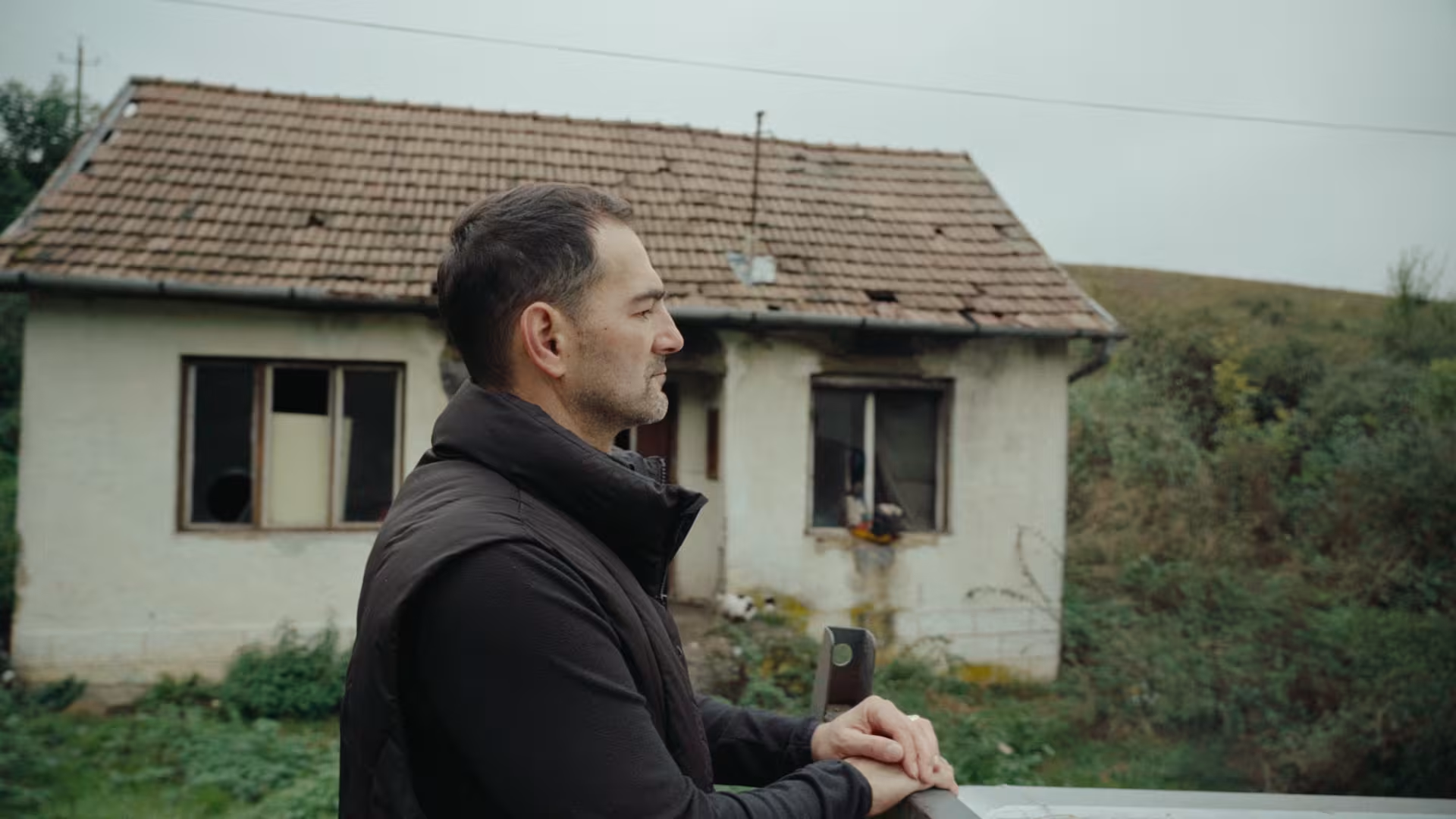
The title of To Hold a Mountain contains a clever and crucial double meaning. To ‘hold’ something can refer both to physically controlling a location, often with a militaristic connotation, and to the simpler act of keeping something in your hands or arms. Both definitions are relevant to Biljana Tutorov and Petar Glomazic’s film, documenting life in the small community atop Montenegro’s Mount Sinjajevina. It follows Gara and Nada, an atypical mother and daughter, as they work through the tough-living farm life of the remote locale.

Young Critics on Papa - Capsule Reviews

Monday, November 23, 2026

The 5th Verzió Young Documentary Film Critics Workshop took place as part of the 23rd Verzió Film Festival, led by tutor Steve Rickinson, editor of Modern Times Review. The participants’ first assignment was to write a capsule review of the festival’s opening film, PAPA.

In-depth interview with Martin Herr, director of Omama

Monday, November 16, 2026

“When I begin to look at my relationship with my parents or grandparents by considering what their childhoods were like, and how those childhoods were shaped by the social circumstances of the time, the very individual perspective of what I was given or denied, how I was treated or not treated, suddenly becomes a social one. And for me, there is something beautifully liberating, forgiving and understanding in that, all at once.”

Animal Rights Are Human Rights

Monday, December 15, 2025

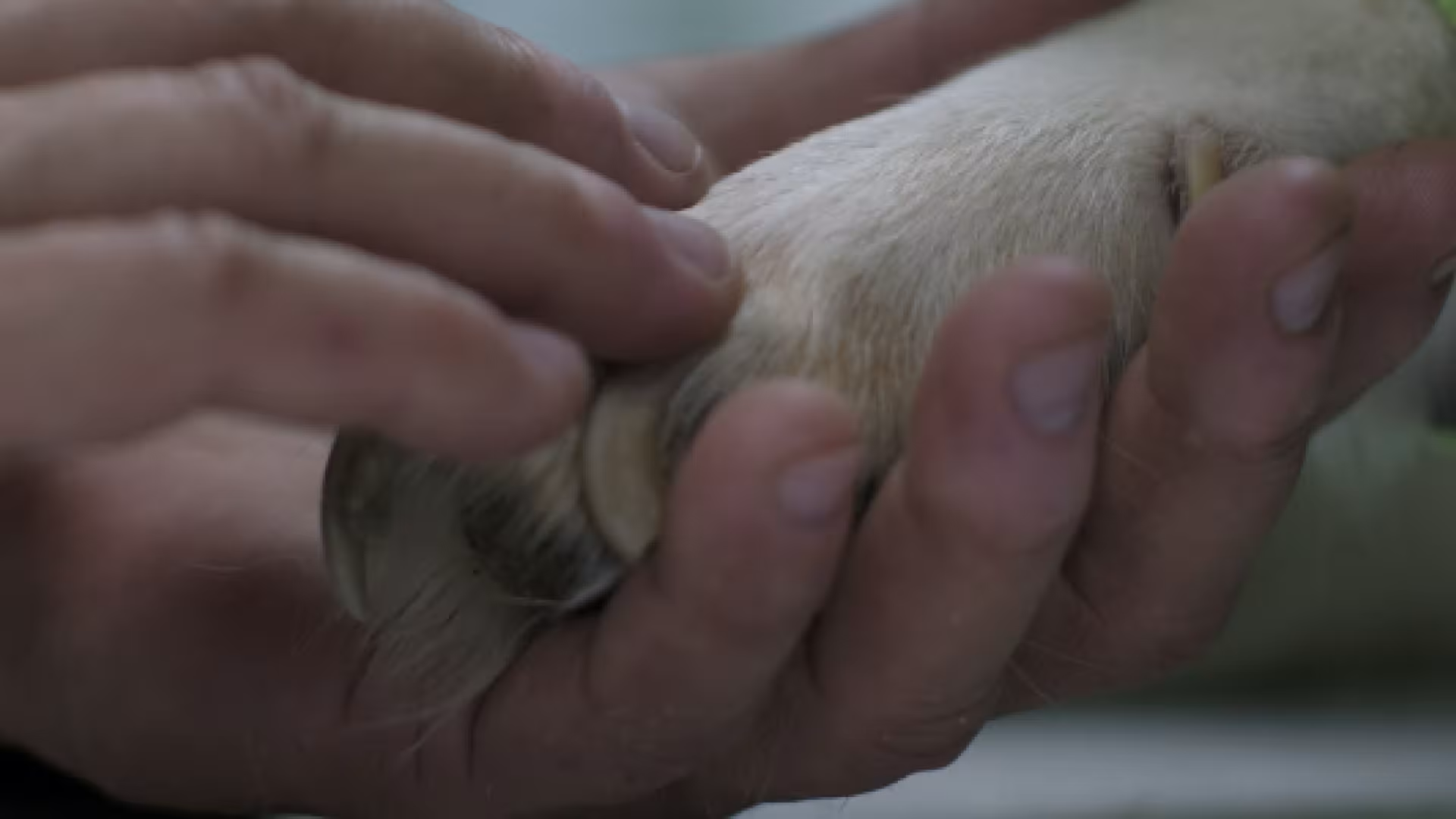
What is a film dealing with animal rights doing in a human rights documentary film festival? You could, in fact, have multiple possible answers to this question. However, Everything Needs to Live does, on its own, have a well-deserved place in the 22 nd edition of Verzió International Human Rights Documentary Film Festival partly for the very reason that it is not a film solely about animal rights but human rights as well.

Lidija Zelovic: Home Game

Friday, December 12, 2025

Lidija Zelovic’s documentary Home Game (2024) offers an intricate, emotionally layered exploration of what “home” means for migrants whose lives are defined by displacement, and the long aftershock of political conflicts. Through a combination of intimate family footage, contemporary observational scenes, and reflective narration, Zelovic constructs a beautiful cinematic work that extends beyond her own biography. The film becomes a broader look into how migrants deal with identity, belonging, and memory when the physical and symbolic home they left behind no longer exists in recognizable form.

What’s your superpower? I am Ukrainian

Wednesday, December 10, 2025

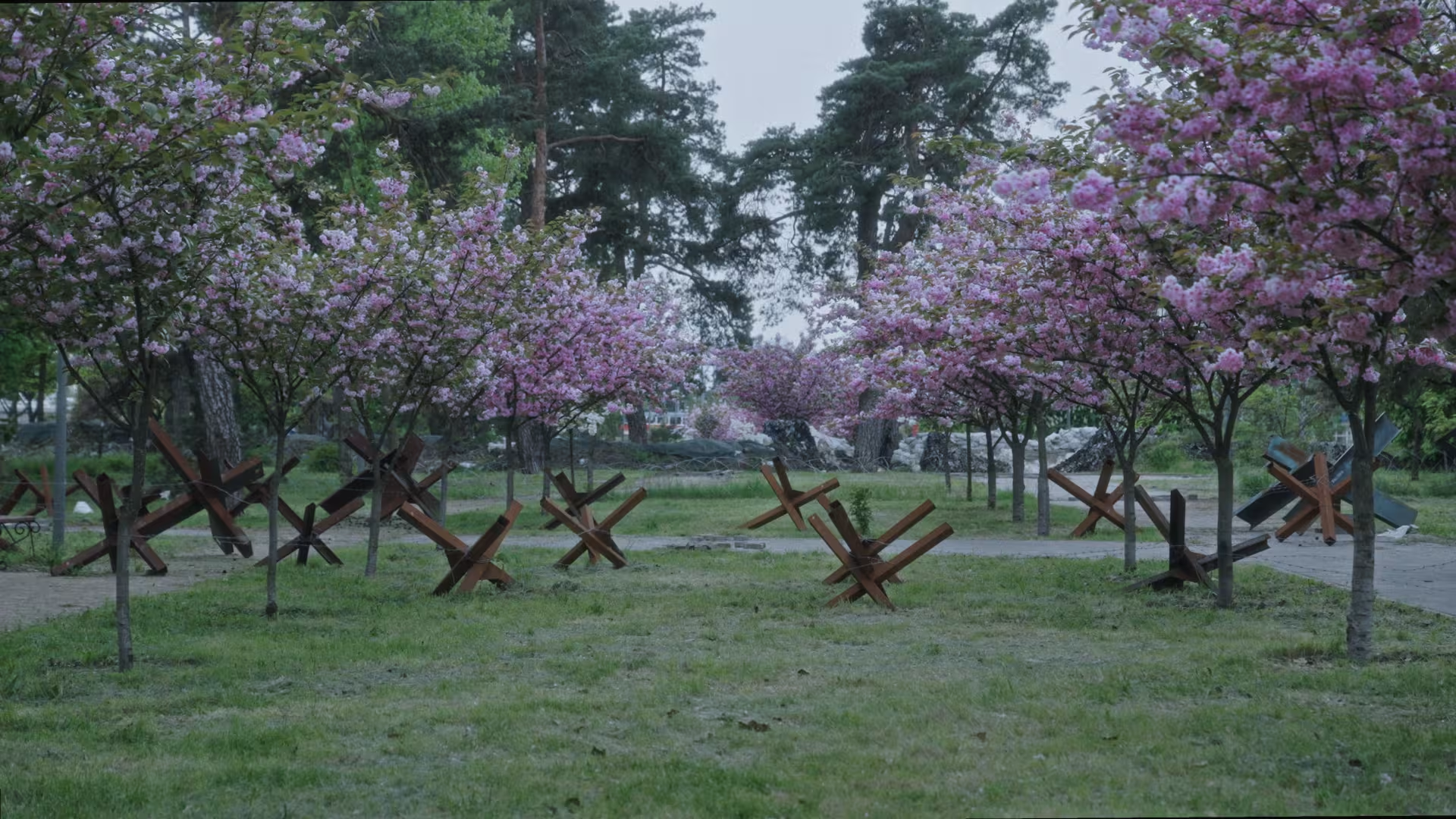
Everything Needs to Live tells a powerful story about a strong – both physically and mentally – woman and her struggles with everyday life during the Ukrainian war. The movie brings up so many topics and related moral questions, giving the viewer something to think about for the next few days.

I had a dream that I was dying. Again.

Wednesday, November 19, 2025

Militantropos starts with a gloomy sky that morphs into dark grey smoke from a burning forest. People are looking up at the cloud of smoke, but they don’t seem to be panicked or surprised; they simply stand there and watch it all unfold. Throughout the film, nature and war are frequently juxtaposed. This depiction gives strong meaning to the idea of war as something natural, inevitable, and uncontrollable. People who are affected by war seem to have adopted this belief and live their lives accordingly.

Every street should have its own chronicler

Wednesday, November 19, 2025

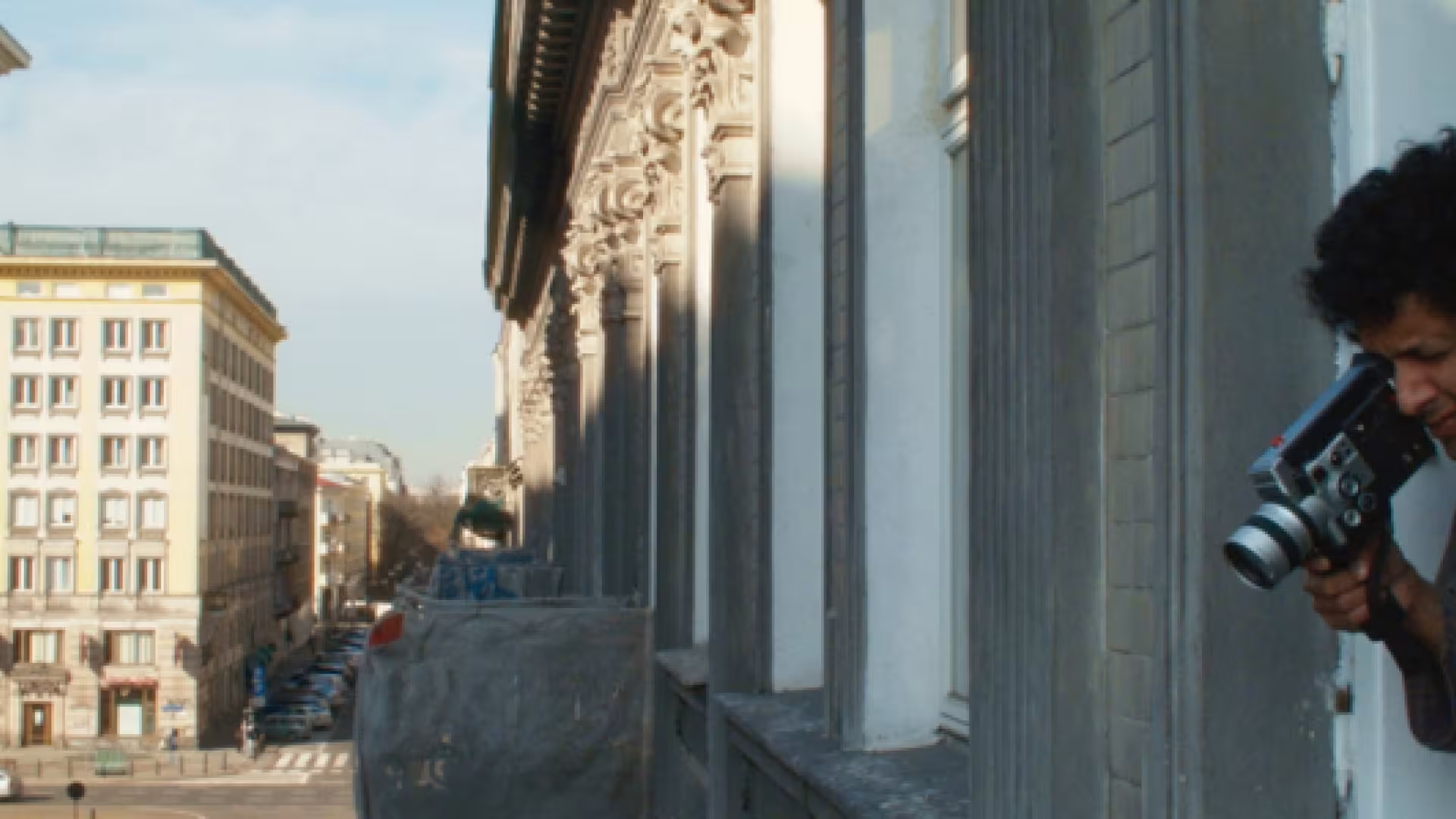
The essence of Arjun Talwar’s Letters from Wolf Street lies primarily in the filmmaker himself, whose sensitive gaze reveals Warsaw and its inhabitants to the viewer. His substantial yet not distracting presence throughout the film – a presence that also allows those in front of his camera to appear so natural – makes watching his documentary an absorbing experience.

Cutting Through Rocks: A woman’s ride toward freedom and change

Wednesday, November 19, 2025

Watching  Cutting Through Rocks , I went through a range of emotions: from hope to frustration to admiration to anger. It was very easy for me to become attached to the character of Sara Shahverdi, a strong woman with bold, pioneering convictions for the village she lives in. The directors of the documentary, Sara Khaki and Mohammad Reza Eyni, take us on an inspiring and beautifully crafted journey that leaves us deeply moved. This is the story of a courageous woman who travels through rural Iran on a motorcycle, defying patriarchal norms.

Thank You, Sally!

Wednesday, November 19, 2025

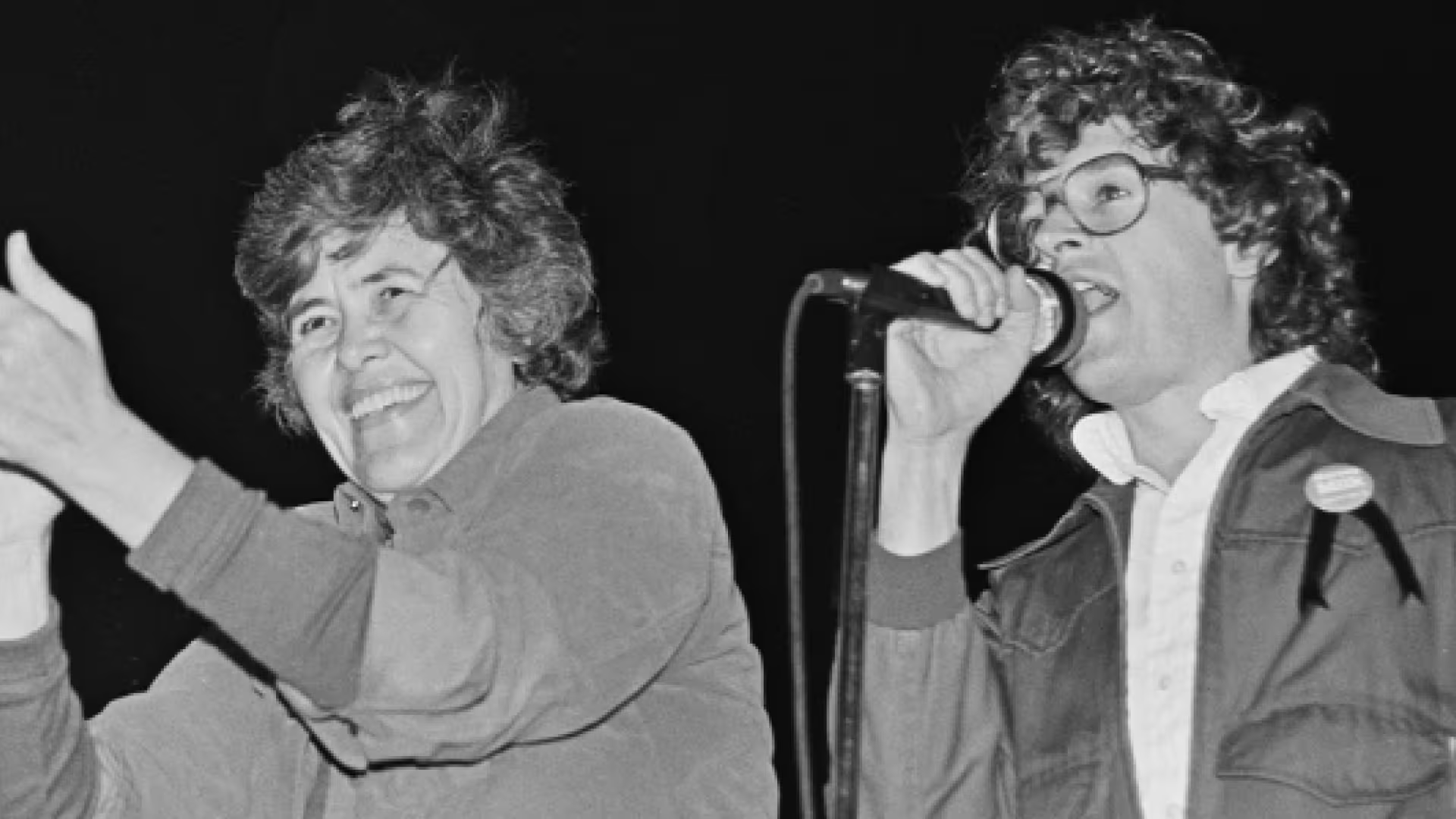
What could be more glamorous than being a radical lesbian? If you're wondering, just watch Sally! by Deborah Craig, Ondine Rarey and Jörg Fockele, and you'll realise that the question is rhetorical. There she is, vibrant, overwhelming and proudly lesbian: Sally Gearhart.

Redlight to Limelight – Made by men, carried by women

Wednesday, November 19, 2025

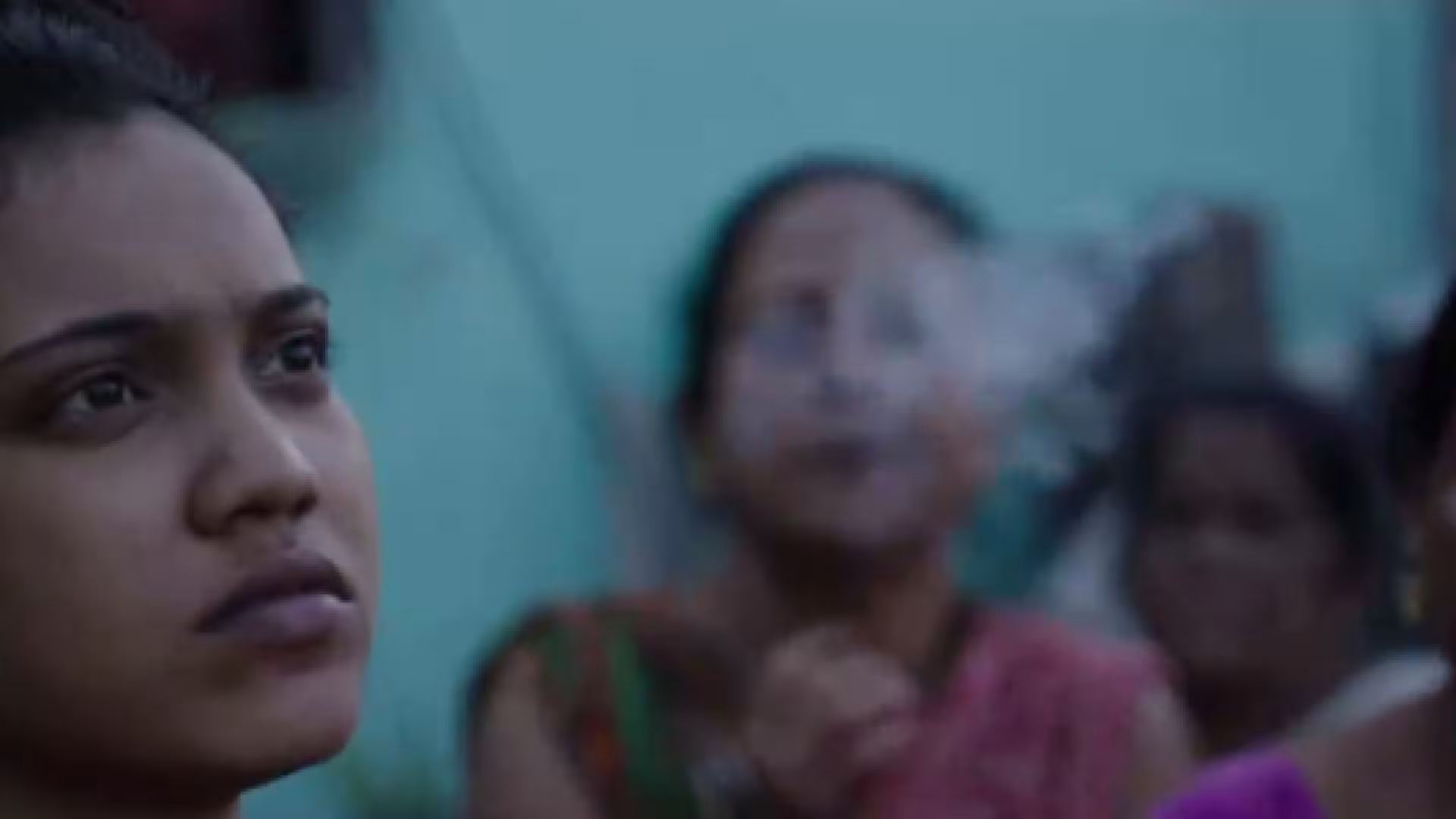
The opening sequence of Redlight to Limelight shows a young man sitting on a bed in a small room. Together with his friend, they’re testing out their camera, following birds and painted trees. The director Bipuljit Basu follows Rabin and his friends, self-taught filmmakers, during the process of making their own fiction film about the life of a sex worker in Kolkata. The men are not sex workers themselves but are related to the women working on the streets. They have decided to translate a specific story of their community into a visual work.

Discovering Evil: The Proximity of The Propagandist

Wednesday, November 19, 2025

Luuk Bouwman in his film, The Propagandist revives fragments of history on the silver screen, encouraging us to reflect on whether the past is ever fully behind us. Today’s digital environment offers a wide range of possibilities when filmmakers working with analogue and digitized moving images. Contemporary documentaries tend to reinterpret the use of archival materials.

About the collective power in the face of corporate behemoths

Sunday, November 16, 2025

In a world where corporate giants generate unimaginable profits, it is easy to forget the individuals who make this possible: the workers whose labor sustains these corporations but who themselves remain in the shadows. Union (dir. Brett Story & Stephen Maing, 2023) sheds light on these hidden figures by following the creation of the Amazon Labor Union (ALU), the first independent union formed by Amazon warehouse workers in Staten Island. The documentary not only highlights the injustices faced by Amazon employees—poor working conditions, inadequate pay, constant surveillance, and the looming threat of dismissal—but also captures the complexity of organizing collective resistance in the face of one of the world’s most powerful corporations.

A Structural Approach as Ethical Response to Morally Void Testimony

Sunday, November 16, 2025

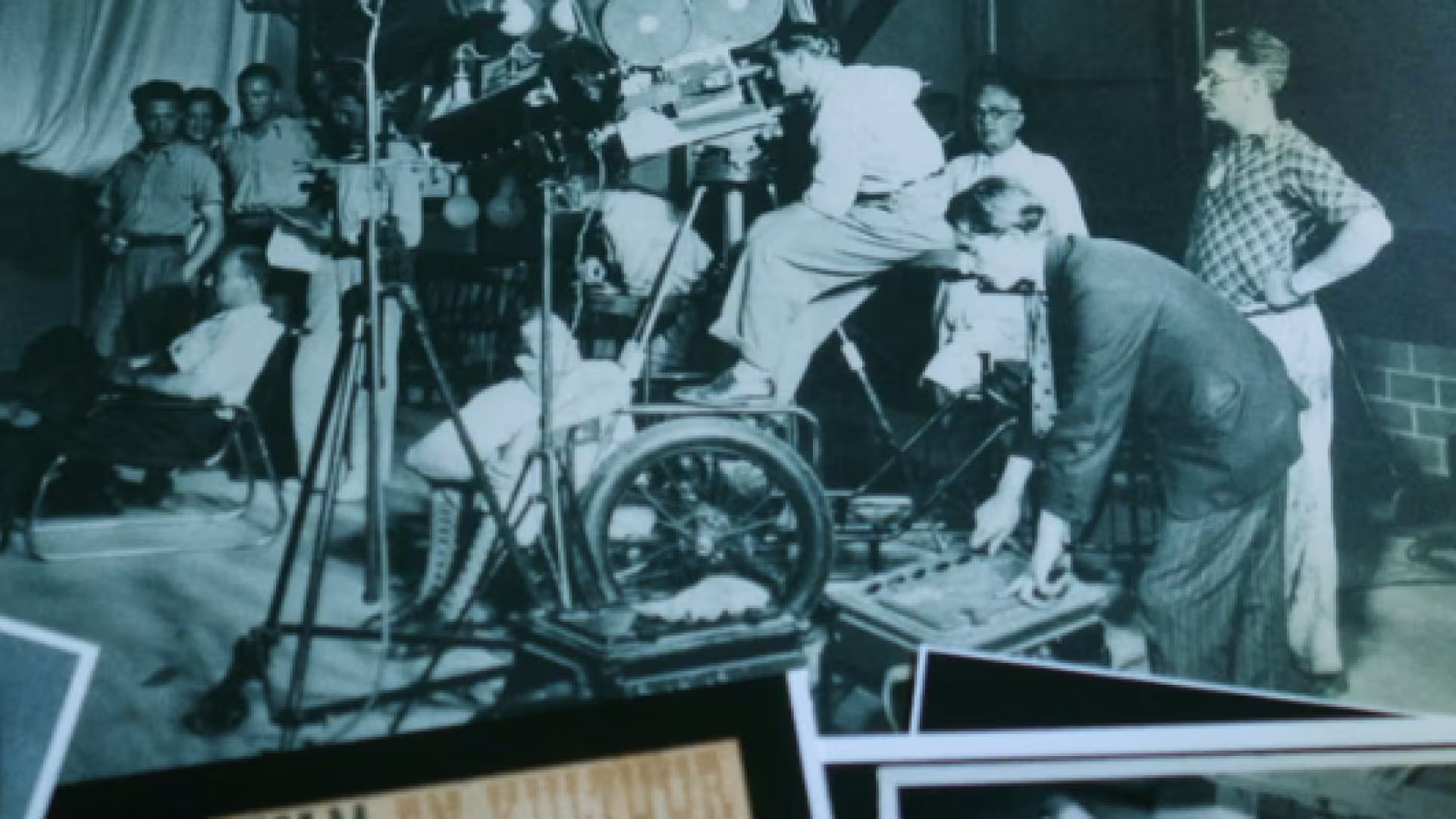
Perpetrator documentary as a subgenre emerged with Marcel Ophüls’s The Sorrow and the Pity (1969), which interviewed German officers and French collaborators alongside resistance fighters. This documentary and its influence basically established that understanding historical crimes requires engaging with those who committed them, not just with survivors. Luuk Bouwman’s The Propagandist (2024) introduces us to Jan Teunissen, a pioneer in Dutch cinema, who later became a Nazi propagandist in the German-occupied Netherlands. His pre-war film about Amsterdam’s Jewish quarter was sympathetic, yet he later allowed footage from it to be incorporated into The Eternal Jew (1940), one of the vilest pieces of Nazi propaganda. 

What Makes Art Art?

Sunday, November 16, 2025

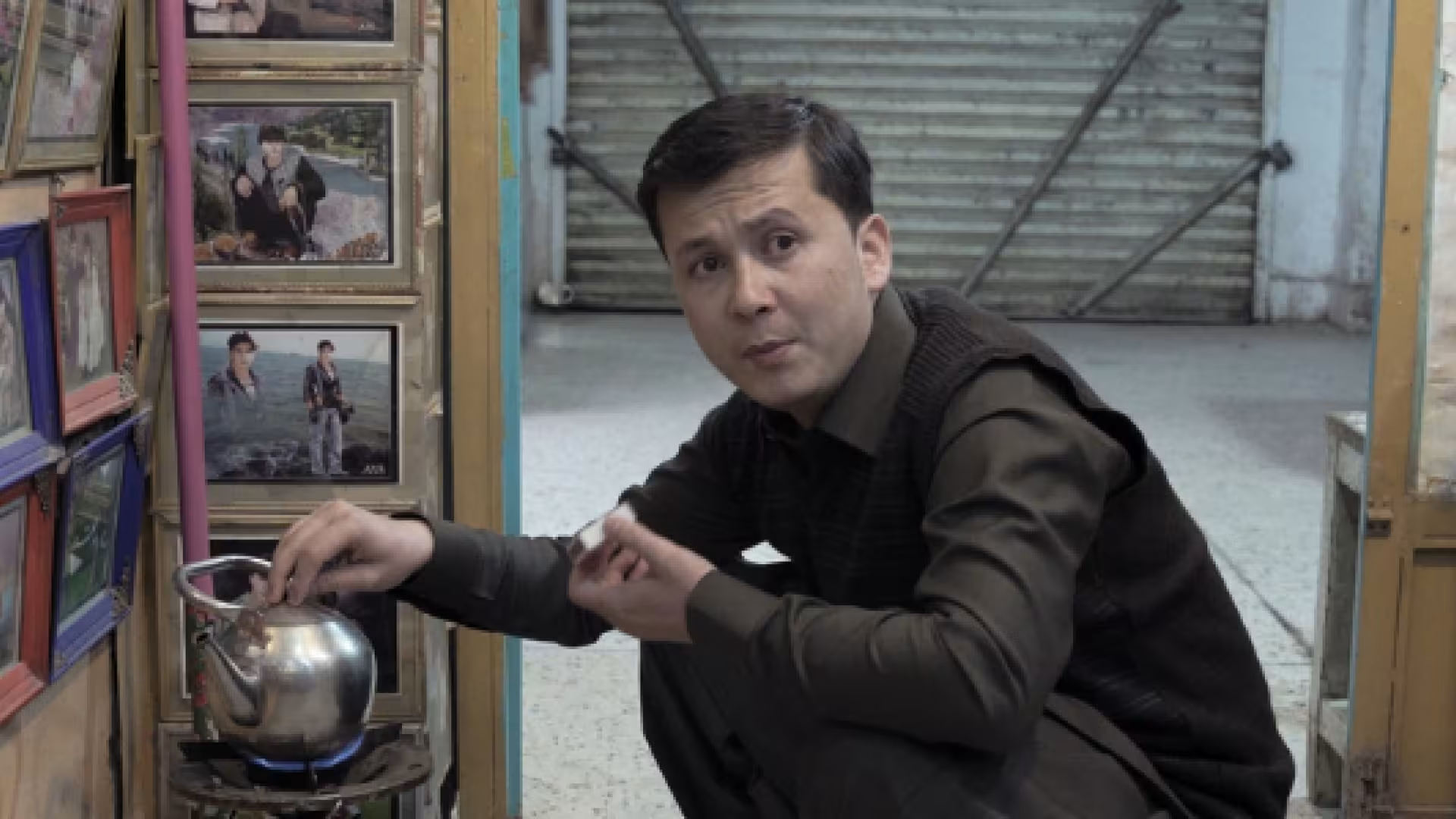
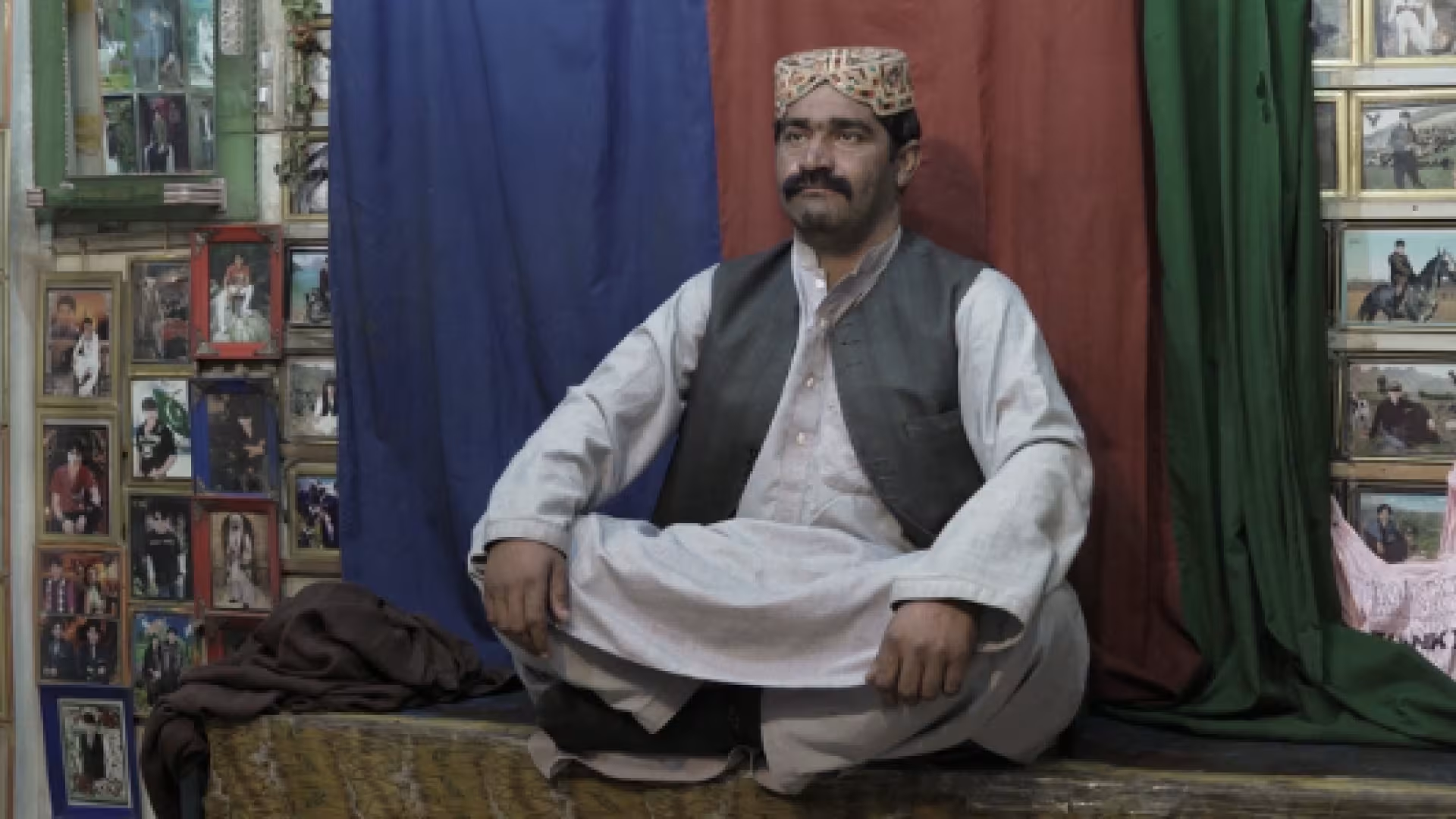
Watching Danial Shah’s Make It Look Real , one frequently encounters scenes that invite comparison between the director Danial and the protagonist photographer, Sakhi. Both work with a camera, yet their conditions diverge in pay, equipment, and workplace. When Sakhi earns about 0.5 dollars per print, Danial recalls earning about 100 dollars per image a decade ago while shooting for newspapers. Danial moves through cities and regions, whereas Sakhi remains largely inside his studio. As the director remarks, “I wanted to understand the social class. But also, image making practices or economics of image making practice. Why do I get to earn certain command amount of money and maybe Sakhi why is my work considered art and his work not … So, I thought the best would be for me be to put the situation on the camera and then have a dialogue with Sakhi about that.” (Shah, 2025)

The Comfort of Illusion

Sunday, November 16, 2025

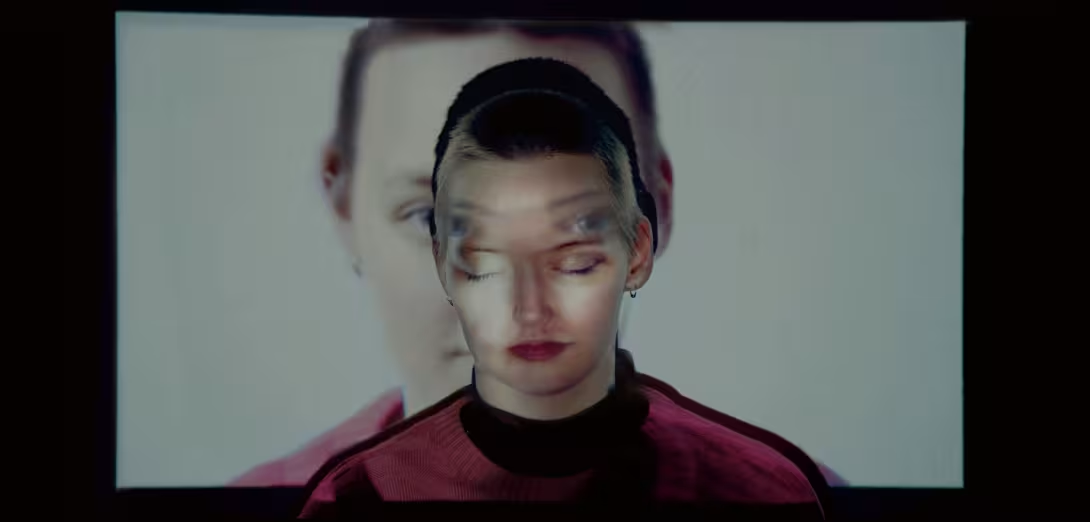
Escapism has always been one of the most common coping mechanisms when reality is too difficult to face. But how far can we go in our attempt to escape? Make It Look Real by Danial Shah is a Pakistani–Belgian film portraying a photo studio in Pakistan where people have their pictures edited. In the film, the photo studio serves as a small sanctuary for people’s hidden desires – some ask to include women in their photos, others a beautiful landscape, but the most common request is to add guns, often more than one. Reshaping their appearance, and symbolically their reality, becomes the central focus of the film, showing how people use illusion as a form of comfort and control.